
Read how to use a 3D printer to make a model of a sound bite on the makezine.com web site.
Starkey Hearing Technologies, a large USA hearing aid manufacturer, Starkey Hearing Foundation, and SYNERGEN health, and many others, helped to organise over 1700 people to receive hearing aids at an airforce base in Columbo Sri Lanka.
Read the touching story on The Sunday Times news web site.

A company called Soundhawk is about to release their product Scoop which is an earpiece that looks similar to a bluetooth headset, but far more powerful. The device is intended to augment your hearing and remove background noise from speech.
The web site engadget.com has a good review article of the product.
For those of you into retro TV series, you may remember The Bionic Woman (a spin-off series from The Six Million Dollar Man), who had a bionic ear to help her hear the quietest sounds.
Watch this 3 minute youtube video of an interview of Ben Burtt who created the some of the 800 sound effects for the Star Wars film, including the sound of the Millenium Falcon’s broken Hyperdrive, which is a composite of the inertia starter of a 1928 biplane, a dentist’s air drill, the motor drive from a tank turrets, and some groaning water pipes.
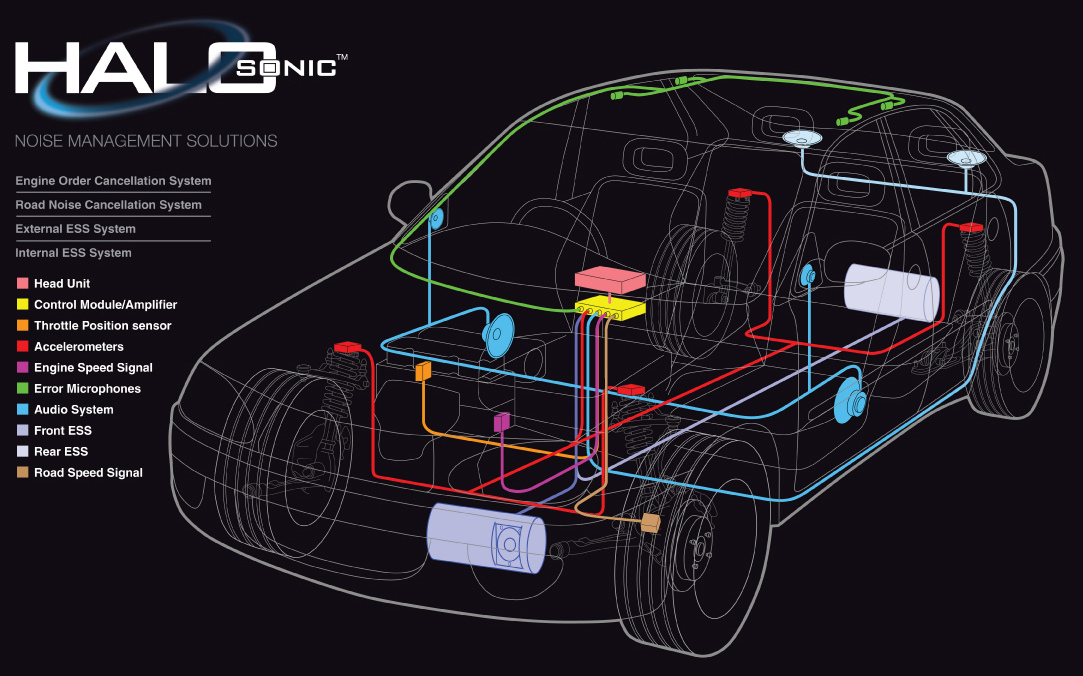 HARMAN and Lotus Engineering have worked together to create some interesting noise cancellation and generating (!) technology for automotive applications, and marketed under the brand name of HALOsonic. Lotus Engineering have been in the active noise control and sound generation game for a while. They’ve made electronic audio systems to give car driver the impression of a range of customised engine sounds at the push of a button. HALOsonic make audio systems to:
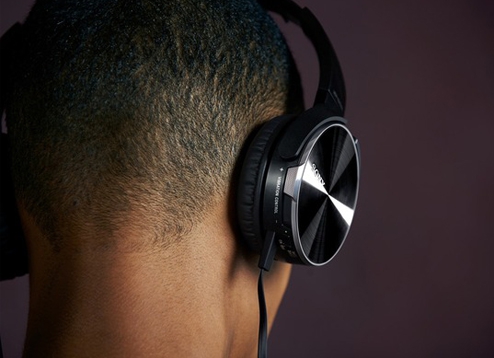
Sony have released a pair of headphones, MDR-XB450BV , where presumably the -V means vibration. They have a suggested retail price of $A 130. What makes these headphones interesting is Sony’s claim of a frequency response from 5Hz-22,000Hz – note that humans are not good at detecting sounds below 20Hz, and it is difficult to hear above 16kHz.
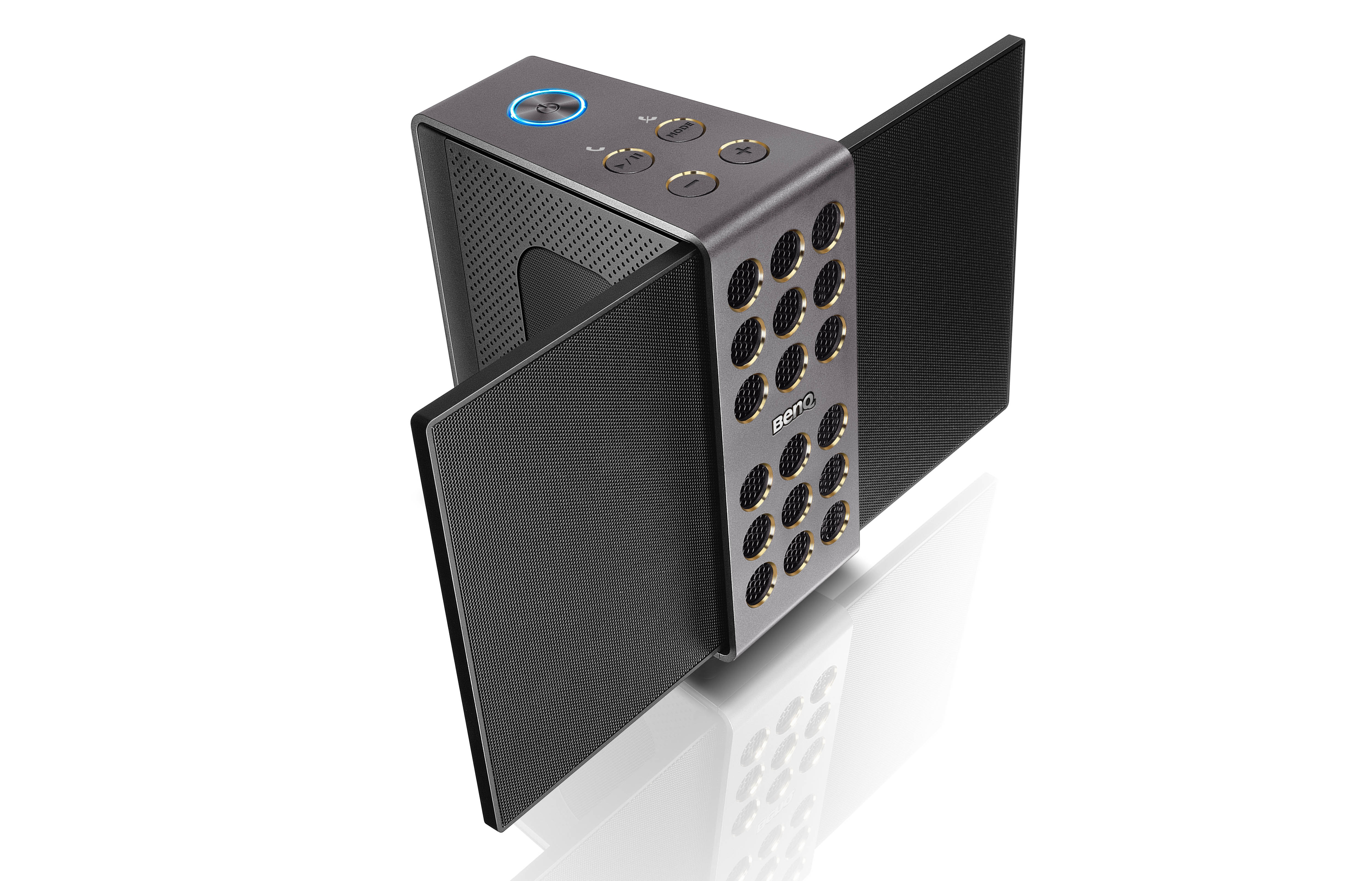
The Benq company has released a stylish portable electrostatic loudspeaker system called the treVolo. The name treVolo comes from “tre” is the sum of three Es: Electrostatic, Enjoyment and Everywhere and the Italian word “Volo”, which means flight.
The electrostatic panels radiate sound forwards and backwards behind the speaker, which creates a large “sound image”.
The BenQ’s Trevolo electrostatic speaker has a recommended retail price of $399.
[ If you are interested in other electrostatic loudspeakers see the In2uit Filo speakers. ]
This is a bit of self-promotion. Here is a book that we wrote.
The sound for the blockbuster movie Interstellar was recorded using the Dolby Atmos system. If you have a choice, I highly recommend seeing the film in a theatre that has the Atmos sound system. Most of the popular movie sound formats such as THX, DTS, Dolby Digital and now Dolby Atmos play a short jingle before the main movie to highlight the capabilities of their sound system. The jingle for the Dolby Atmos system is no exception, and audiences are amazed by the sound judging by the “wow” ‘s, which has proper surround sound, overhead speakers, and powerful bass notes.
The website Soundworks has a video interview with the sound editors and foley artists that show how they created the amazing sound effects that work brilliantly with the movie.
The movie Gravity won an Oscar for their Atmos mixed sound editing. See another Soundworks video interview about the movie Gravity. I would not be at all surprised if the sound editors for Interstellar win an Oscar.
SoundWorks Collection – The Sound of Interstellar from Michael Coleman on Vimeo.
 NASA has created an account on SoundCloud and uploaded over 60 classic audio samples including, “one small step for man, one giant leap for mankind”, “the Eagle has landed” and “Houston, we have a problem.”